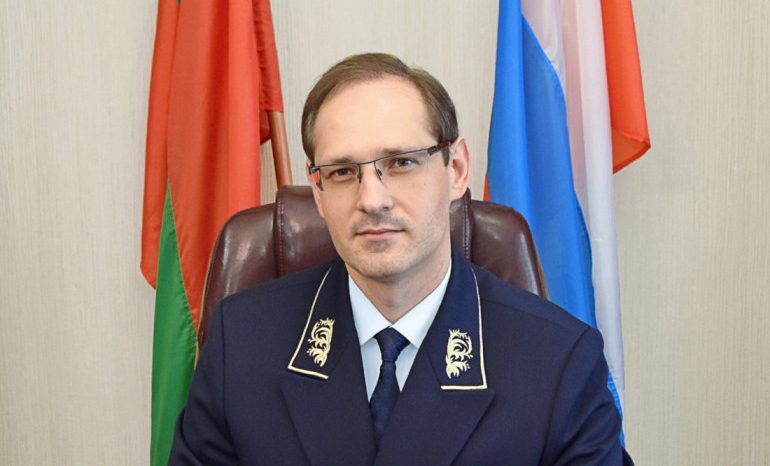
Pridnestrovie Today is more than a geopolitical headline. In this complete exclusive conversation, Foreign Minister Vitaly Ignatiev shares how the republic sees itself, today’s changing world, and the future it hopes to build.
LENTERAMERAH – Pridnestrovie is often discussed through the lens of geopolitics, diplomacy, and its unresolved political status. Far less attention, however, is given to how the republic understands itself, the principles that shape its policies, and the aspirations that guide its vision for the future.
To explore these questions, Lentera Merah spoke with Vitaly Ignatiev, Minister of Foreign Affairs of the Pridnestrovian Moldavian Republic. Over the course of this exclusive conversation, he reflects on a broad range of issues, including society, national identity, economic resilience, regional diplomacy, the changing international order and Pridnestrovie’s place in an evolving Eurasian landscape.
Presented here in its complete and unabridged form, this edition brings together all thirteen questions and answers published throughout Lentera Merah’s interview series, allowing readers to follow the conversation in its original sequence.
In recent years, Eastern Europe has undergone profound geopolitical and geoeconomic changes. From the PMR’s perspective, which events have been most significant, and which do you believe will have the greatest long-term impact on the region?
The system of international relations that took shape after the collapse of the Soviet Union is undergoing a profound transformation. One consequence of this is intensifying competition among geopolitical actors, which is generating numerous flashpoints of instability around the world. This is especially evident in the Eastern European space, which in recent years has finally become a zone of harsh military-political confrontation between the West and Russia.
This confrontation largely determines the dynamics and logic of processes taking place in the Black Sea region, of which the Pridnestrovian Moldavian Republic is part. One of the key factors transforming the regional situation in recent years has been the Ukrainian conflict, which has sharply intensified the Russian-Western standoff. Owing to deep historical, identity-related, cultural-humanitarian, economic and other ties, Pridnestrovie has, throughout the entire period of its modern statehood, consistently oriented itself toward developing relations with the Russian Federation. As a result, the republic faces a wide range of challenges and threats stemming from the political West’s drive to limit Russian influence and presence within the space of Russia’s historically established interests.
An equally alarming trend amid the transformation of the world order is the deep erosion of international institutions designed to ensure peace, predictability, dialogue, and the search for mutually acceptable solutions. It has become the norm for international decisions to be made not on the basis of universal norms of law, but on the political expediency of individual actors and the logic of “might makes right”. Pridnestrovie is fully experiencing the consequences of this trend, facing inhumane blockade and restrictive measures from neighboring states, above all the Republic of Moldova, which contradict the basic principles of international law and directly affect the rights and interests of the republic’s population.
It is obvious that the formation of a new architecture of international relations will be a long and complex process. All the states involved take this reality into account when developing their own strategies.
Great upheavals lead to great changes, and in this sense the Pridnestrovian people, and the Pridnestrovian Moldavian Republic they created by their will, are entitled to claim their legitimate place among the recognized participants in the new system of international relations.
Much of the world’s attention remains focused on geopolitics, while geoeconomic transformations often develop according to their own logic. How is the PMR adapting its economic strategy to changing regional trade patterns, energy supply chains, and the broader evolution of geoeconomic dynamics?
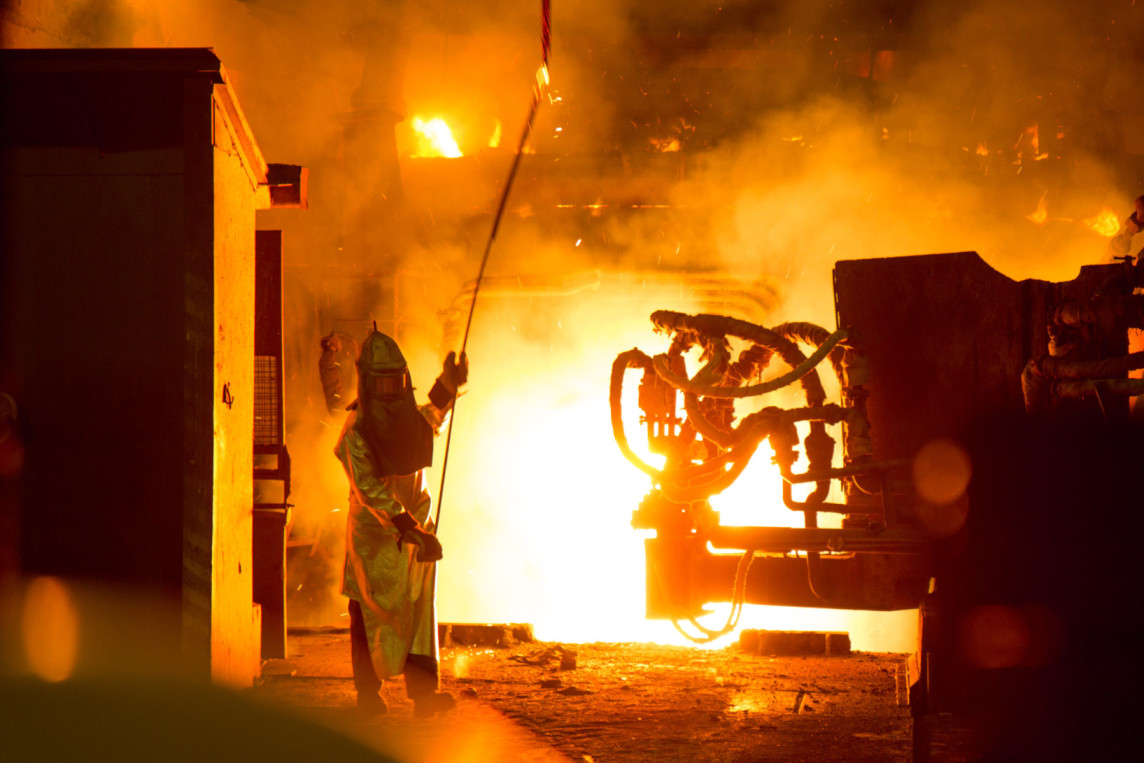
Given the objectively limited size of local demand and the location, within the Pridnestrovian Moldavian Republic, of a number of large industrial enterprises that depend on imported raw materials and export markets, Pridnestrovie’s economy cannot function without stable, mutually beneficial ties with external partners. Pridnestrovie has historically had an open, export-oriented economy, within which several large industrial enterprises can generate about half the value of foreign trade turnover and tax revenues. The continued operation of industry is therefore a key condition for Pridnestrovie’s viability, as well as a factor in the well-being of tens of thousands of factory workers and their families.
Under these conditions, many political decisions in Pridnestrovie are dictated by the logic of protecting this economic foundation. Pridnestrovian industry is critically dependent on imported raw materials and energy resources. Thus, the Pridnestrovian state cannot function in a mode of autarky, cutting itself off from trade and economic ties with the outside world. In the negotiation process with the Republic of Moldova, and in relations with foreign partners, the optimization of trade ties and business conditions remains a key issue. And the leadership of Pridnestrovie is doing everything within its power to ensure that geopolitical transformations do not lead to the destruction of its existing industrial potential.
Another mechanism of adaptation is an effective campaign to strengthen food security. Pridnestrovie was never previously an agrarian republic but today we produce 5-6 times more grain and other crops than are needed for domestic consumption. The republic’s food security, which as recently as 20 years ago depended entirely on imports from other countries, is today ensured by domestic agricultural production for the overwhelming majority of goods, ranging from water and beverages to meat, poultry, and confectionery.
Pridnestrovie is consistently developing the services sector, information technology, chemical production, and tourism. Despite the objective constraints stemming from external pressure and the republic’s workforce and demographic potential, certain results have been achieved in these areas. However, their scale is not yet sufficient to bring about a qualitative transformation of the established economic model. Pridnestrovie retains its industrial-agrarian character, and the foundation of its economy remains the production of high-quality goods that are in demand.
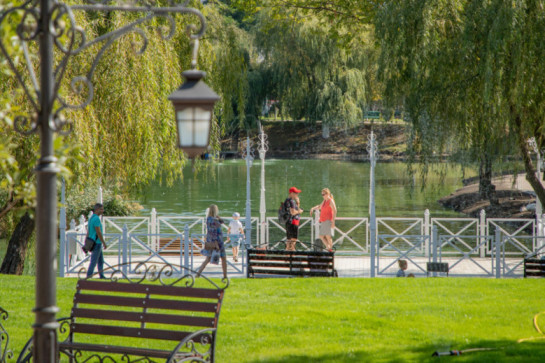
Over the past three decades, the PMR has navigated a rapidly changing regional environment – from political and economic shifts to evolving energy dynamics. What has remained the foundation of the PMR’s stability amid these changes, and what aspects are now beginning to transform?
Pridnestrovie’s stability is determined by the nationwide commitment to the chosen model of development, based on people’s rights to labor, economic initiative, innovation, and protection for enterprise workforces. Under present circumstances, this model has no alternative. The political system and the specific features of Pridnestrovie’s participation in international engagement are largely built on the solid foundation of realizing the will and interests of the Pridnestrovian people. This is the source of Tiraspol’s fundamental commitment to the peaceful, civilized political-diplomatic settlement of any conflicts. Our vector is aimed at building long-term good-neighborly relations with the outside world. This approach is consistent with the aspirations of Pridnestrovie’s multinational people for free and friendly engagement with representatives of any culture.
The centuries-old history of the Pridnestrovian land, which has long served as both a border and a contact zone between East and West, testifies to the continuity of its inhabitants’ distinctive character. As in the 16th-20th centuries, so today, this land has been home to courageous, independent, and freedom-loving people, capable of defending their land, rights, and way of life. The civilizational code of the Pridnestrovian people has shaped our democratic style of resolving key questions of state development – through referendums, free elections, and constant consultation with society. This is an established tradition that, despite the most difficult external circumstances and restrictions, allows us to preserve political sovereignty and economic viability.
Another key aspect is the support of the Russian Federation. Without Russia’s assistance in supplying energy resources, in providing social security for part of Pridnestrovie’s pensioners, in sustaining education and healthcare, as well as security through the peacekeeping mission on the Dniester, it would be harder for Pridnestrovie to adapt to constantly changing geopolitical circumstances and to withstand Moldova’s unlawful and inhumane pressure.
The PMR occupies a unique position: politically it follows a different trajectory than the European Union, yet in practice a significant share of its trade remains tied to European markets. In your view, does this indicate that geoeconomics is increasingly developing according to its own logic, independent of political differences?
In Pridnestrovie’s case, we see a phenomenon of the enormous influence of international politics and geopolitics on the state’s economic system. Some of its ties with the European Community’s space were fundamentally built into the republic’s economic model back in the Soviet era. Thus, metallurgical production, as well as, to a large extent, the textile, footwear, and clothing industries, have historically been oriented toward Western markets owing to Pridnestrovie’s geographic location. However, on the whole, Pridnestrovian industry was integrated into the national economic complex of the Soviet Union, developing within established cooperative ties.
If one analyzes the geography of Pridnestrovie’s trade contacts in the first decades of statehood, Russia and the CIS countries were the key partners both for exports and, especially, for imports. In the mid-2000s, 90% of the PMR’s imports came from Russia, Ukraine, Belarus, and the countries of Central Asia. Roughly half of exports went there as well.
This reality, which corresponded to production capacities and to contacts built up over decades, began to change as the European Union expanded into Eastern Europe and as Moldova’s blockade and restrictive measures intensified. Moreover, these processes were largely synchronized. In 2006, Chisinau, in agreement with Kyiv, blocked the export of Pridnestrovian goods abroad – the possibility of direct deliveries to Russia in transit through Ukraine, or directly to Ukraine, was politically eliminated. At that point, some enterprises, given the logistics and Moldova’s illegitimate demands, were forced to reorient toward trade with the EU.
In 2014, imports by enterprises not registered in Moldova were blocked.
Since the summer of 2023, Moldova has banned the export of five Pridnestrovian industrial enterprises to Russia and the CIS countries, under the pretext of EU sanctions and the claim that their goods are supposedly dual-use products. And overall, current logistics require transit through 5-6 countries for goods from Russia to reach the Pridnestrovian market.
And even so, Russia still dominated Pridnestrovie’s imports as recently as two years ago. Since the winter of 2025, Pridnestrovie has been forced to purchase natural gas on the EU exchange, which has led to a sharp change in trade statistics, since at current market prices this resource, in value terms, exceeds half of all Pridnestrovian imports.
The effective loss of Eurasian markets is having a stifling effect on Pridnestrovie’s economy. Changes in trade turnover are not the result of economic processes or a choice made by the Pridnestrovian side. On the contrary, they are the outcome of Chisinau’s years-long blockade policy. Pridnestrovian enterprises, behind which stand workforces and their family members, try to trade in whatever markets they still have access to. The metaphor “persistence breaks the hardest stone” is fitting here. And so Pridnestrovian goods remain competitive and of high quality, and are bought even in the oversaturated EU market.
The PMR is often perceived primarily in terms of its political status. But behind this stand families, communities, and ordinary people living their everyday lives. In your view, which aspect of everyday life in the PMR is most often misunderstood or almost entirely ignored by the international community?
You are right that the world community has, in effect, lost what one might call an adequate, civilized view of Pridnestrovie. We hear a great deal of politicized declarations about so-called “reintegration”, about the need to withdraw Russian troops, about reformatting the peacekeeping operation on the Dniester, and so on. All of the above speculations are entirely groundless, have no basis in either historical or factual truth, and most of them are patently unrealizable.
A hallmark of today’s political world is an endless stream of propaganda, often utterly thoughtless. How can one speak of Moldova’s “reintegration” when Pridnestrovie was never part of the Republic of Moldova? And if the propagandists mean the so-called “unified” borders of the Moldavian SSR, then Moldova’s own Declaration of Independence recognized the Soviet Moldavian SSR as an illegitimate entity, a creation of the Molotov-Ribbentrop Pact. This produces a historical and legal nonsense – Chisinau justified its own statehood by the people’s right to self-determination and carried out a separatist act of seceding from the Moldavian SSR. At that time Pridnestrovie created the Pridnestrovian Moldavian SSR and remained part of the Soviet Union, so Chisinau would do well to be more careful with its terminology.
Moreover, Moldova’s Declaration of Independence itself recognizes the existence of the Pridnestrovian people as a separate community, referred to in the Russian text of the document as the “people of Transdniesteria”. Yet Chisinau demands that the world community deny the Pridnestrovian people the very same right to self-determination, guaranteed by the UN Charter, that it exercised itself, despite the fact that Pridnestrovie has its own historical statehood in the form of the Moldavian ASSR in 1924-1940.
As a result, a contradictory and unviable construction emerges: the Republic of Moldova denies the legal grounds for the creation of the Moldavian SSR, yet demands the restoration of its territorial consequences within the borders of 1991. Moldova recognizes its own people’s right to self-determination, yet denies that same right to the Pridnestrovian people. Chisinau condemns the consequences of the Molotov-Ribbentrop Pact, yet itself, in the 21st century, has the audacity to demand the restoration of that very pact in order to preserve the part of its consequences that is advantageous to it. This is not merely political inconsistency but a demonstrative legal nihilism based on a selective treatment of history and legal norms.
It is clear that such an approach has no future. Apparently aware of how untenable the foundation of its position is, Moldova has refused to engage in the negotiation process with Pridnestrovie, resorting instead to blockades, pressure, and threats throughout all 36 years of our relations.
I would stress a key point – Pridnestrovie is home to a unique multinational community, the Pridnestrovian people, whose inalienable rights, freedoms, and interests, guaranteed by international instruments, are being massively violated by neighboring Moldova.
People of Pridnestrovie face daily obstacles to freedom of movement, deportations, threats of criminal prosecution, and recruitment attempts by Moldovan special services, a banking blockade, and illegitimate levies. This year Chisinau implemented legislative changes that substantially increase fiscal pressure on Pridnestrovian enterprises. The consequences of these measures pose a direct threat of destroying the economic foundation and social sphere of the Pridnestrovian Moldavian Republic. In effect, this amounts to the deliberate creation of conditions that could, in the short term, lead to a humanitarian catastrophe in the center of Europe. Yet this dangerous situation is being kept quiet and is almost entirely ignored by the international community.
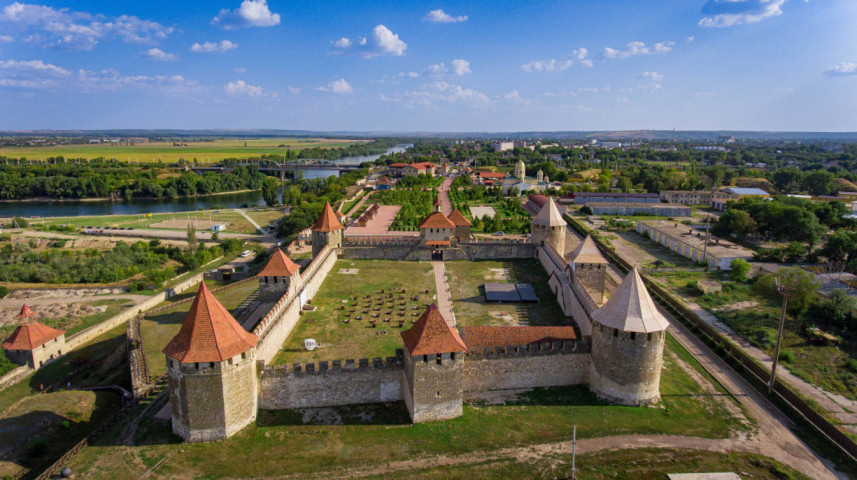
The PMR is home to people of diverse ethnic, linguistic, and cultural backgrounds. Rather than becoming a source of division, has this diversity shaped a distinct Pridnestrovian identity? How would you define that identity today?
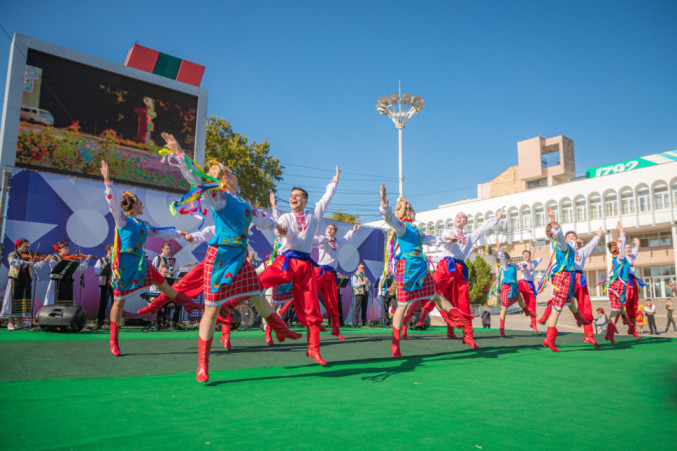
Yes, more than 70 nationalities live in Pridnestrovie but all of them are Pridnestrovians. And this is not just about PMR citizenship, important as that aspect is, but about deeper-rooted characteristics – in worldview, patterns of behavior, ways of organizing life and dialogue, and, ultimately, in identity itself. The Pridnestrovian people are a multi-ethnic, distinctive union of people united by a common history, culture, and destiny.
Today’s Pridnestrovians are focused on peaceful, constructive labor, care about the fate of the people and future generations, feel a legal bond with the Pridnestrovian state, speak Russian, and feel a sense of belonging to the destiny of the Russian world. They consciously perceive every stage of the Pridnestrovian region’s history, participate in the economic, political, social, and cultural life of their homeland, and are distinguished by empathy and emotional flexibility that allows for conflict-free interaction with representatives of various ethnicities, nationalities, and cultures both within the country and abroad.
In the identity of Pridnestrovians, civic and territorial components predominate, while ethnic and linguistic criteria are secondary. Thus, this identity directly includes a civic-legal bond with the Pridnestrovian state, as well as with the geographic area of the Pridnestrovian land, including a sense of being a “borderland” owing to the historically natural border along the Dniester, and a self-perception as the western frontier of the Russian world.
Pridnestrovian identity is based on interethnic harmony, mutual respect, and a sense of shared historical destiny among a multinational society. An important element of this identity is a rejection of the nationalist policy pursued by Moldova’s authorities and of their aggressive actions toward Pridnestrovie. At the same time, this rejection does not extend to neighboring peoples, toward whom Pridnestrovian society maintains a friendly and respectful attitude.
Many residents of the PMR hold multiple citizenships and have life experience spanning different political and cultural spaces. How has this reality affected people’s sense of belonging and identity?
All residents of Pridnestrovie, regardless of whether they hold foreign passports of other states, are united by a shared Pridnestrovian identity based on belonging to a single state and society. Citizenship of the Pridnestrovian Moldavian Republic serves as its political-legal expression, cementing a person’s enduring bond with the Pridnestrovian state.
Unfortunately, at the present stage, it is not yet possible to travel the world with a Pridnestrovian passport, owing to the country’s lack of recognition by UN member states. That is why many Pridnestrovians also hold citizenship of third countries, primarily Russia, Moldova, and Ukraine, though not only these.
Attitudes toward these passports are often utilitarian. This is confirmed by the fact that a number of citizens hold multiple citizenships, which in no way undermines their specifically Pridnestrovian identity. For example, Russian citizenship represents a sense of belonging to Russian civilization, of which Pridnestrovie has been and remains an integral part, along with the opportunity to participate in Russia’s political life, in particular, in elections, as well as strong social guarantees. A Moldovan passport, in turn, today provides substantial opportunities for visa-free travel to various countries. Moreover, in recent years Moldova’s special services have launched a campaign to deport residents of Pridnestrovie who do not hold Moldovan citizenship.
Thus, for Pridnestrovians, a Moldovan foreign passport is, above all, a “pass” document. Most Pridnestrovians do not hold internal (domestic) passports of these countries, since they live permanently in the PMR. Identity, meanwhile, is shaped by more subtle, internal settings within each individual.
Every generation grows up in a different historical context. How do young people in the PMR see their country’s future today? Do they see it differently from the generation that lived through the events of the early 1990s?
As research shows, on fundamental questions about their country’s future, all Pridnestrovians hold similar views, albeit sometimes for somewhat different reasons.
Older people remember very well the historical context of the period when the Pridnestrovian Moldavian Republic was created by their initiative and will: the surge of nationalism in the right-bank part of the Moldavian SSR, attempts to impose an entirely alien identity, Chisinau’s unwillingness to take account of Pridnestrovians’ rights and interests, and, finally, the full-scale military aggression of Moldova’s mobilized army against Pridnestrovie, which claimed hundreds of lives. Moreover, in the decades that followed, Moldova continued systematically to take measures stigmatizing and discriminating against the multinational Pridnestrovian people. That is why older generations have no doubt that having their own state is the only reliable guarantee of respect for their inalienable rights, freedoms, and interests, as well as for the preservation of their unique identity.
As for young people, they did not, of course, personally witness the tragic events of the period when the PMR was founded, but they know about them well from their parents, grandparents, and older brothers and sisters. But the main distinguishing feature of Pridnestrovians born after the early 1990s is that, for them, the existence of a sovereign and independent Pridnestrovian Moldavian Republic is a natural given and the familiar environment in which they grew up, received their education, and began building their professional careers. They simply cannot understand or accept the international community’s attempts to push Pridnestrovie into a neighboring Moldova that is foreign to them – a country with an entirely different identity, built around a mono-national project that is not even Moldovan but Romanian, with a completely different understanding of history that honors Nazi criminals, and one that still lacks the will to apologize for crimes against the Pridnestrovian people. They cannot conceive of their future outside the framework of their own state – which is entirely natural and understandable.
If I were to visit Pridnestrovie not as a journalist but as a friend seeking to understand the life of its people, what experiences would you recommend so that I could truly appreciate the spirit of Pridnestrovie?
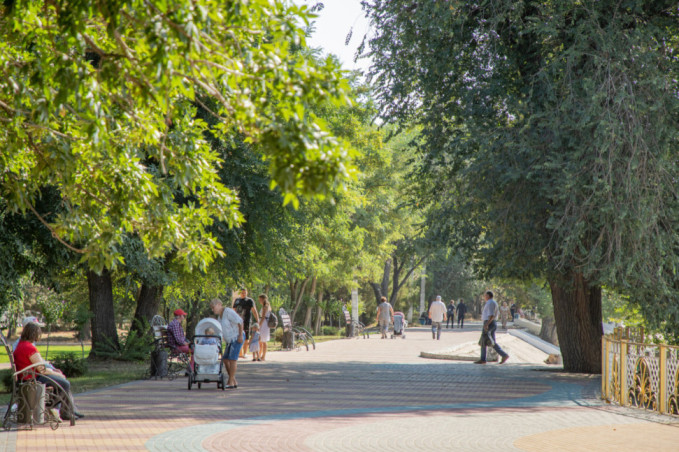
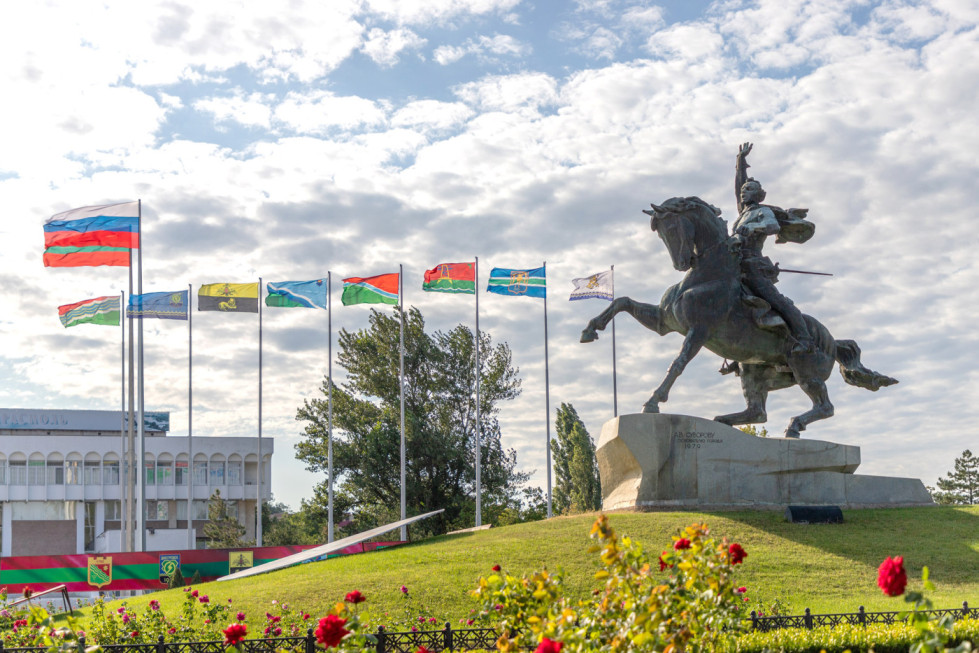
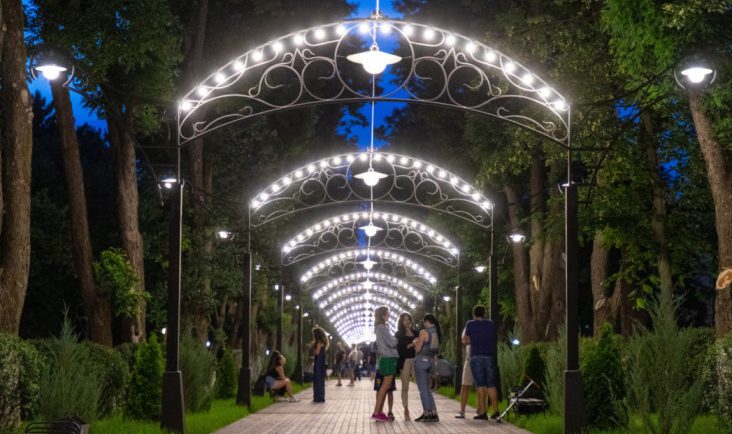
You could start with simply walking around Pridnestrovian towns and villages. You would see how organically different architectural eras, languages, cultural traditions, and monuments from various historical periods coexist here. This is, among other things, a reflection of the very sound approaches that Pridnestrovie follows in studying its own history. That is why, unlike many other states, for us historical memory never becomes an object of dispute or disagreement, but on the contrary serves as a powerful unifying factor.
But above all, it would be useful to talk with Pridnestrovians themselves. Our people are open and hospitable. Representatives of different nationalities often gather at the same table, speak several languages, recall family stories, and maintain mutual respect even when they hold different views on particular events. This everyday culture of coexistence, perhaps better than any official concept, explains what the multinational Pridnestrovian people are and why they remain internally stable and cohesive despite all external trials and challenges.
History lives not only in museums or textbooks but also in families and everyday life. In your view, which stories, values, or memories are most often passed down from generation to generation and continue to shape Pridnestrovie’s identity today?
A crucial element of collective memory remains the understanding that Pridnestrovie was never created as the territory of a single people or a single culture. Our land was historically shaped by the efforts of people of different nationalities, united by common constructive labor and a shared sense of responsibility for the place where they lived. Respect for linguistic, ethnic, religious, and cultural diversity is regarded here as a natural norm of public life, shaped over many generations.
Undoubtedly, a special place in the historical memory of Pridnestrovians is occupied by the Great Patriotic War. Nearly every family has ancestors who fought, were wounded, or died in battles to liberate their homeland and all of Europe from the fascist plague, or who forged victory on the home front, working in factories and plants. There is no major town in Pridnestrovie without a memorial to its fallen heroes. A living connection to the events of those years is maintained by the still-living veterans of war and labor, who are held in great esteem by society. Victory Day is one of the main and most beloved holidays of the Pridnestrovian people. Suffice it to say that the central event of the May 9 celebrations is traditionally the march of the “Immortal Regiment”: in 2025 it brought together 85,000 people across the republic, including 35,000 participants in Tiraspol, and in 2026, already 105,000, of whom 42,000 marched in the capital’s column.
The memory of the tragic events of the early 1990s holds an especially profound place for Pridnestrovians. Memorial events dedicated to various episodes of the conflict are held annually in the republic – the attack on Dubossary, the Bendery tragedy, and the deployment of the peacekeeping contingent.
Respect for education, professionalism, and honest labor is passed down from generation to generation. Pridnestrovie has always been a land of engineers, teachers, doctors, military personnel, athletes, highly skilled workers, scientists, and farmers. In many families children continue their parents’ professional traditions, and a sense of personal responsibility for the results of one’s labor remains one of the most enduring social values in the Pridnestrovian Moldavian Republic.
Some analysts argue that the proposed Eurasian Charter on Diversity and Multipolarity represents a normative response to the fragmentation of the current international order, emphasizing principles such as sovereignty, non-interference, equality of states, and civilizational diversity. From Pridnestrovie’s perspective, do these principles resonate with the spirit of the 1955 Bandung Conference and the Non-Aligned Movement, despite today’s entirely different geopolitical environment?
For Pridnestrovie, principles such as the equality of participants in international relations, respect for peoples’ right to determine their own future, rejection of coercion and the imposition of political models from outside, and priority given to the peaceful settlement of disputes through dialogue are of particular importance. These are precisely the approaches that have underpinned Pridnestrovian foreign policy throughout the republic’s history.
That is why, in my view, many of the ideas formulated at the Bandung Conference and subsequently developed within the Non-Aligned Movement have not lost their relevance. Even though today’s world differs substantially from the mid-20th-century era, the core problem remains similar and unresolved: how to ensure the coexistence of states and societies with different historical traditions, political cultures, and visions of the future. As practice has shown, attempts to solve this problem through the universalization of a single system of values, or by building a rigid hierarchy of states, have proven not only fruitless but also highly destructive.
It is not surprising that today’s ongoing processes reflect a growing demand from the world community to return to fundamental principles that ensure the stability of international relations, regardless of the dynamics of rivalry among the major powers. And the idea of civilizational diversity promoted by the Eurasian Charter you mentioned appears to deserve serious attention. The world is objectively becoming more complex and polycentric, which means that the stability of the international system will depend on the ability to adapt to this trend rather than ignore it.
Belarus adopted an official roadmap for the Eurasian Charter ahead of discussions at the United Nations in September 2026. In your view, what characteristics should a truly effective and inclusive Eurasian consultative mechanism have? What is needed for such an initiative to gain broader international legitimacy?
Speaking of the Eurasian space, its key feature is the exceptional diversity of states, political systems, and development models. Consequently, the main added value of the proposed mechanism may lie precisely in creating a permanent platform where different positions have the opportunity to be heard.
In my view, such an architecture could rest on several basic characteristics. First, respect for the sovereign choice of each state. Second, maximum openness to a wide range of participants representing different regions of Eurasia. Pridnestrovie, as an integral part of the post-Soviet and Eurasian space, is for its part also fully prepared to engage in this work. Third, a focus on finding practical solutions in areas where cooperation serves mutual interests regardless of existing political disagreements. This could include infrastructure, ecology, transport, humanitarian exchanges, emergency response, scientific cooperation, digital development, and other areas.
If the mechanism being created can be turned into a functional instrument that meets the characteristics listed above, then one can count on the interest of a wide range of states in participating in it. After all, the modern international system, more than ever, needs additional channels of communication and an expanded space for dialogue and mutually beneficial, conflict-free cooperation.
For many years, the world has largely defined the PMR in terms of politics. If the PMR had the opportunity to define itself for the world, how would you like your country and its people to be remembered?
Double standards, geopolitical mindsets, and propaganda myths repeated for decades are factors that prevent the international community from seeing the real picture of Pridnestrovie.
First and foremost, as a unique Pridnestrovian people who managed to unite amid the collapse of the USSR, to withstand the storm of nationalism and Moldova’s military aggression, defending their legitimate interests and restoring their statehood as the legal successor to the Moldavian ASSR and the Moldavian SSR.
As a republic where people of different nationalities have managed to build a multicultural society based on mutual respect and equality. As an established state possessing all the necessary attributes: strong legitimacy, stable institutions, a functioning economy, its own legal system, a mature civil society, and so on. As a responsible and predictable participant in international relations and regional processes, consistently upholding the principles of peaceful good-neighborliness, equal dialogue, and strict fulfillment of its commitments.
I want Pridnestrovie to be known as a country whose people, even under the most difficult circumstances, have for 36 years running fought for the right to determine their own destiny, preserving human dignity, fidelity to peace, and the ability to look to the future with optimism.
Explore the Series (Part 1–5)
- Part 1 — Beyond Politics and Perception
- Part 2 — Pridnestrovian Identity Beyond Ethnicity
- Part 3 — When Geopolitics Divides, Trade Endures in Pridnestrovie
- Part 4 — Between Dialogue and Deterrence
- Part 5 — Between History and Tomorrow
Also in Russian Language: Приднестровье сегодня