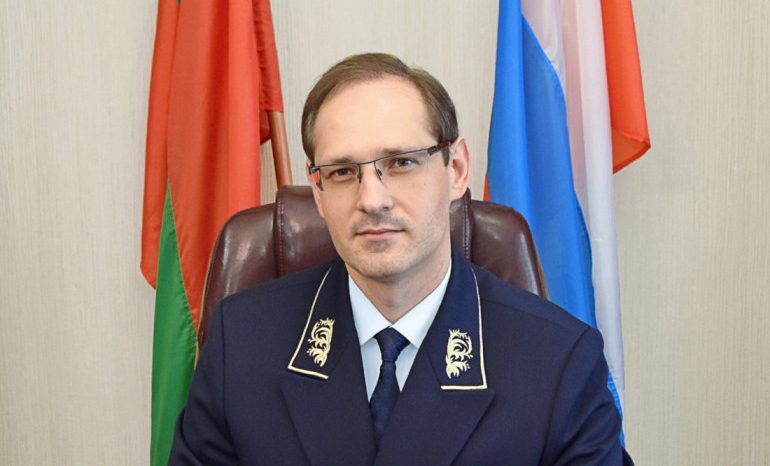
In the second part of Lentera Merah’s exclusive interview with Vitaly Ignatiev, Minister of Foreign Affairs of the Pridnestrovian Moldavian Republic, the discussion explores Pridnestrovian Identity, examining how a multinational society has forged a shared sense of belonging and why multiple citizenships have not diminished many residents’ attachment to their homeland.
LENTERAMERAH – Nations are defined not only by borders or political institutions but also by the identities their people embrace. In societies where different ethnic, linguistic, and religious communities have lived together for generations, a shared identity often emerges beyond ancestry alone.
Pridnestrovie presents one such example. Home to a multinational population where many residents hold more than one citizenship, Pridnestrovian Identity is described less through legal status or ethnic origin than through a shared civic experience, collective memory, and a common sense of belonging shaped over decades.
In the second part of Lentera Merah’s exclusive interview with Vitaly Ignatiev, Minister of Foreign Affairs of the Pridnestrovian Moldavian Republic, the conversation examines how Pridnestrovian Identity has evolved within a diverse society and why many residents continue to identify first and foremost as Pridnestrovians.
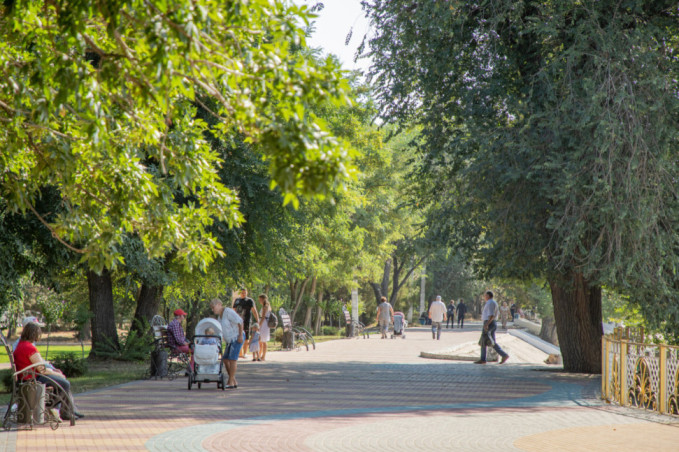
After exploring everyday life and the experiences that shape Pridnestrovian society, the conversation naturally turned to a broader question: how does a multinational republic cultivate a shared identity while preserving its ethnic, linguistic, and cultural diversity?
The PMR is home to people of diverse ethnic, linguistic and cultural backgrounds. Rather than becoming a source of division, has this diversity shaped a distinct Pridnestrovian identity? How would you define that identity today?
Yes, more than 70 nationalities live in Pridnestrovie but all of them are Pridnestrovians. And this is not just about PMR citizenship, important as that aspect is, but about deeper-rooted characteristics – in worldview, patterns of behavior, ways of organizing life and dialogue, and, ultimately, in identity itself. The Pridnestrovian people are a multi-ethnic, distinctive union of people united by a common history, culture, and destiny.
Today’s Pridnestrovians are focused on peaceful, constructive labor, care about the fate of the people and future generations, feel a legal bond with the Pridnestrovian state, speak Russian, and feel a sense of belonging to the destiny of the Russian world. They consciously perceive every stage of the Pridnestrovian region’s history, participate in the economic, political, social and cultural life of their homeland and are distinguished by empathy and emotional flexibility that allows for conflict-free interaction with representatives of various ethnicities, nationalities, and cultures both within the country and abroad.
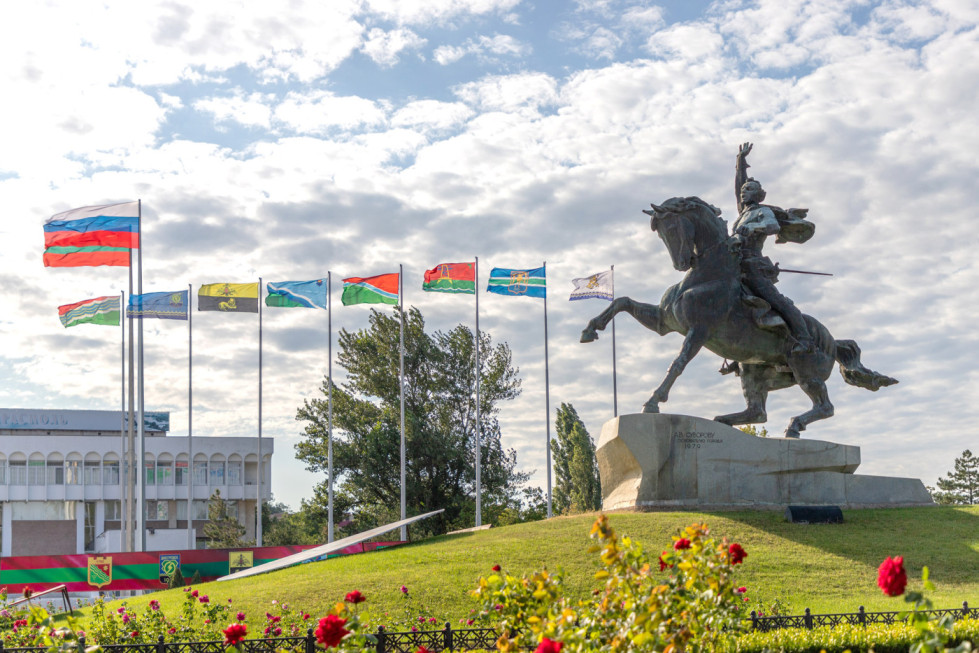
In the identity of Pridnestrovians, civic and territorial components predominate, while ethnic and linguistic criteria are secondary. Thus, this identity directly includes a civic-legal bond with the Pridnestrovian state, as well as with the geographic area of the Pridnestrovian land, including a sense of being a “borderland” owing to the historically natural border along the Dniester, and a self-perception as the western frontier of the Russian world.
Pridnestrovian identity is based on interethnic harmony, mutual respect, and a sense of shared historical destiny among a multinational society. An important element of this identity is a rejection of the nationalist policy pursued by Moldova’s authorities and of their aggressive actions toward Pridnestrovie. At the same time, this rejection does not extend to neighboring peoples, toward whom Pridnestrovian society maintains a friendly and respectful attitude.
Identity, however, extends beyond history and culture. In Pridnestrovie, where many residents hold passports from several countries, citizenship offers another perspective on how people understand belonging and their relationship with the state.
Many residents of the PMR hold multiple citizenships and have life experience spanning different political and cultural spaces. How has this reality affected people’s sense of belonging and identity?
All residents of Pridnestrovie, regardless of whether they hold foreign passports of other states, are united by a shared Pridnestrovian identity based on belonging to a single state and society. Citizenship of the Pridnestrovian Moldavian Republic serves as its political-legal expression, cementing a person’s enduring bond with the Pridnestrovian state.
Unfortunately, at the present stage, it is not yet possible to travel the world with a Pridnestrovian passport, owing to the country’s lack of recognition by UN member states. That is why many Pridnestrovians also hold citizenship of third countries, primarily Russia, Moldova, and Ukraine, though not only these.
Attitudes toward these passports are often utilitarian. This is confirmed by the fact that a number of citizens hold multiple citizenships, which in no way undermines their specifically Pridnestrovian identity. For example, Russian citizenship represents a sense of belonging to Russian civilization, of which Pridnestrovie has been and remains an integral part, along with the opportunity to participate in Russia’s political life, in particular, in elections, as well as strong social guarantees. A Moldovan passport, in turn, today provides substantial opportunities for visa-free travel to various countries. Moreover, in recent years Moldova’s special services have launched a campaign to deport residents of Pridnestrovie who do not hold Moldovan citizenship.
Thus, for Pridnestrovians, a Moldovan foreign passport is, above all, a “pass” document. Most Pridnestrovians do not hold internal (domestic) passports of these countries, since they live permanently in the PMR. Identity, meanwhile, is shaped by more subtle, internal settings within each individual.
Throughout this second part, Ignatiev argues that Pridnestrovian Identity is rooted less in ethnicity than in shared historical experience, civic solidarity, and a common sense of statehood. In the next part of Lentera Merah's exclusive interview, the discussion shifts to the republic's economy, examining how Pridnestrovie adapts to changing regional trade patterns, geopolitical pressures, and an evolving geoeconomic landscape. ***
Explore the Series
Part 1 — Current Article
Part 2 — Current Article
Part 3 — Current Article
Part 4 — Current Article
Part 5 — Current Article
Full Interview (English)
Full Interview (Russian)